Strata properties are responsible for maintaining shared infrastructure such as water pipes, car parks, and building foundations. Unlike single dwellings, issues in strata complexes affect multiple owners and residents, which can magnify costs and disputes if problems are left unresolved. Water leaks are one of the most common hidden risks, often progressing undetected until the damage becomes substantial. This case study demonstrates how water leak detection Perth services prevented a costly outcome, showcasing the importance of proactive property management.
The Problem
The strata committee first became aware of an issue when quarterly water bills showed a 35% increase compared with the same period the year before. Residents reported no obvious leaks, flooding, or damp patches within their units. The concern was that the leak was occurring underground or behind common walls where it could not be seen. Without immediate action, the rising water costs and risk of structural compromise posed a serious financial liability for all owners.
Early Intervention
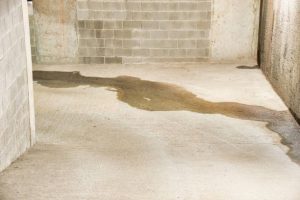
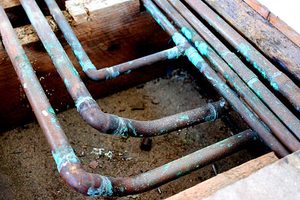
Recognising the urgency, the strata engaged a contractor specialising in Strata leak detection Perth. Technicians used non-invasive methods such as acoustic listening devices, moisture sensors, and thermal cameras to trace the leak. These technologies allowed them to pinpoint the exact location without the need to break open walls or dig blindly across the property. Within hours, the source was confirmed: a corroded section of pipe beneath the main car park slab that had been leaking continuously into the ground.
Cost/Benefit Breakdown
- Immediate Costs:
- Professional leak detection survey: $1,200
- Excavation, pipe replacement, and re-surfacing of the car park: $3,800
- Professional leak detection survey: $1,200
- Potential Costs if Undetected:
- Structural repair to car park foundations: $25,000–$40,000
- Additional water consumption charges estimated at $6,000–$7,500 per year
- Insurance claim disputes due to preventable damage: potentially $15,000+ in legal fees
- Resident relocation costs if structural safety was compromised: difficult to quantify but significant
- Structural repair to car park foundations: $25,000–$40,000
By spending just over $5,000 upfront, the strata body prevented a likely financial exposure exceeding $40,000.

Wider Benefits for the Strata Complex
The benefits extended well beyond the immediate financial savings:
- Preserved Structural Integrity: Early repairs ensured the foundations remained stable, protecting the long-term value of the property.
- Resident Satisfaction: By resolving the issue quickly, the strata avoided complaints, stress, and disruption for residents, reinforcing confidence in management.
- Insurance Advantages: Demonstrating proactive maintenance reduced the risk of claim disputes and protected the complex from premium hikes.
- Sustainability & Reputation: Preventing the waste of tens of thousands of litres of water supported local conservation efforts, an increasingly important consideration in Perth’s climate.
Lessons Learned
The key lesson for strata managers and committees is that waiting for visible damage before acting can be a costly mistake. Monitoring water usage trends, scheduling periodic inspections, and responding promptly to anomalies are essential for risk management. Professional leak detection provides a non-invasive, accurate, and cost-effective way to safeguard both finances and property condition. The case also illustrates the importance of setting aside contingency funds for preventative maintenance rather than only reacting to emergencies.
Conclusion
This Perth strata complex avoided a major financial burden thanks to early detection and swift action. By investing in professional services, the committee protected owners from unnecessary expense, safeguarded structural integrity, and prevented a prolonged dispute over responsibility. The case proves that small investments in leak detection deliver substantial returns, making it a critical part of any strata property’s maintenance strategy.