Perth’s Mediterranean climate creates specific challenges for property maintenance in strata developments. As weather patterns grow more unpredictable and infrastructure continues to age, water leaks have become a persistent risk. Understanding the climate-driven factors behind these leaks enables strata managers, building owners, and residents to take informed preventative action.
Heat Stress and Material Expansion
Extreme heat in Perth’s summer months regularly pushes materials such as PVC, copper, and steel beyond their designed tolerance levels. When exposed to direct sunlight, rooftop and external pipes experience continual thermal expansion and contraction. Over time, this cycle weakens joins, fittings, and seals—especially in concealed spaces like ceiling cavities or service ducts. Older buildings with limited insulation are more vulnerable as the constant temperature fluctuation accelerates pipe fatigue.
Water tanks and hot water systems are equally affected. Elevated temperatures increase water pressure within the system, making minor weaknesses more prone to failure. Property managers who schedule regular inspections with Leak detection Perth specialists can identify pressure variations and micro-leaks before they evolve into major ruptures. Investing in temperature-resistant pipe materials and proper thermal insulation also significantly reduces long-term risk.
Rainfall Variability and Water Intrusion
Perth’s rainfall has become less predictable, with alternating periods of drought and flash flooding. During prolonged dry spells, ground movement and soil contraction can stress underground pipes, causing small fractures. When the rain eventually arrives, heavy downpours overwhelm gutters, stormwater drains, and roof membranes—especially in multi-level strata properties with complex drainage systems.
When water collects in roof cavities or between concrete layers, it often goes undetected for months, leading to mould growth, rot, and electrical shorting. In buildings with shared walls or ceilings, even a minor roof leak can affect multiple units, making early detection critical. Preventative maintenance, such as regular drain cleaning, waterproofing renewal, and targeted moisture mapping, ensures potential weak points are addressed before Perth’s winter storms hit.
Ageing Infrastructure and Hidden Risks
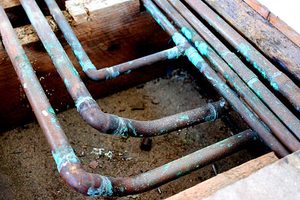
Many strata developments across Perth were constructed decades ago, using materials that have since become outdated. Galvanised pipes corrode internally, polybutylene pipes become brittle, and copper systems suffer from pinhole leaks due to internal scaling. These issues often remain hidden until visible damage appears, such as bubbling paint, warped skirting boards, or damp odours.
In addition, as plumbing systems age, strata layouts complicate leak tracing—especially where multiple units share vertical risers or common service areas. Water can travel significant distances from the source before surfacing, causing confusion about responsibility for repairs. Engaging Leak detection Plumbers Perth ensures that qualified specialists use acoustic sensors, tracer gas, and infrared imaging to pinpoint leaks accurately without unnecessary demolition. These modern diagnostic tools not only save money but also prevent disputes within strata communities over repair costs and accountability.

The Role of Climate Adaptation and Preventative Maintenance
To reduce leak risks, strata managers must adopt a climate-resilient maintenance strategy. This includes using flexible piping materials that can withstand expansion, installing smart leak monitoring systems, and ensuring that roof and wall membranes are regularly resealed. Newer strata complexes can integrate automated water metering technology that sends alerts when unusual consumption is detected, providing early warning of hidden leaks.
Annual plumbing audits, including pressure testing and moisture scanning, should form part of every strata’s preventative maintenance plan. When combined with professional servicing during key seasonal transitions—before peak summer and winter—the likelihood of significant leak incidents drops considerably.
Conclusion
Perth’s evolving climate is directly influencing the frequency and severity of leaks within strata developments. Rising temperatures, shifting rainfall patterns, and ageing infrastructure collectively create conditions where leaks are inevitable without proactive management. Building resilience begins with awareness, regular inspection, and early intervention.
By working closely with professional leak detection specialists, strata communities can protect their buildings from structural deterioration, control repair costs, and maintain higher living standards for residents. In the long term, proactive maintenance and investment in durable materials ensure that Perth’s strata properties remain safe, sustainable, and resilient against the city’s changing environmental conditions.