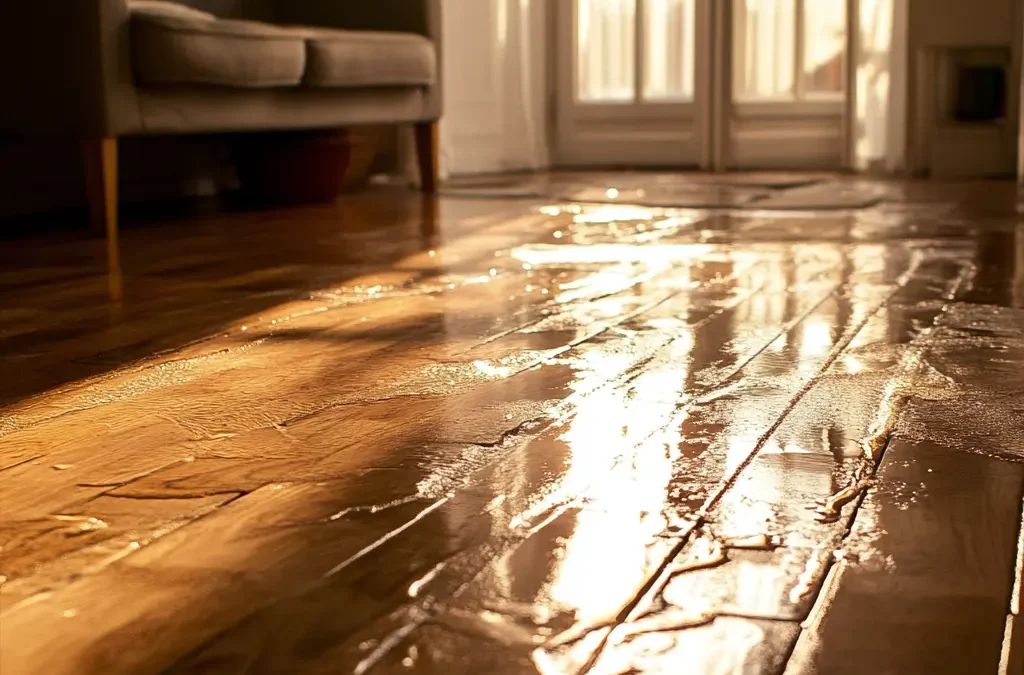
Water leaks are not only an inconvenience but can also result in severe structural damage and costly repairs if left undetected. Detecting leaks early is crucial to mitigating these risks. Historically, leak detection involved a lot of guesswork and invasive inspection methods, but today, modern technologies have transformed this field, offering more accurate and non-intrusive solutions. As a leader in water leak detection in Perth, we explore the differences between traditional and modern detection methods and highlight why modern solutions are more beneficial.
Traditional Water Leak Detection Methods
Traditional water leak detection methods have been in use for decades and generally involve manual inspection techniques. While these methods served their purpose, they have several limitations in terms of accuracy, efficiency, and the invasiveness of the process.
- Visual Inspections
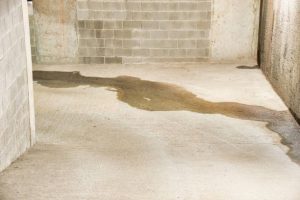
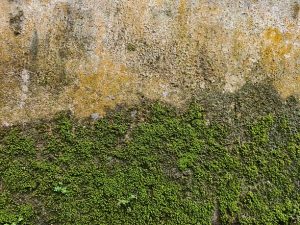
A visual inspection is often the first step in traditional leak detection. This involves checking for obvious signs such as water stains, peeling paint, mould, or damp patches on walls, ceilings, and floors. While this method is relatively simple and low-cost, it is limited in its scope. Visual inspections can only detect leaks that are already causing visible damage, meaning that hidden leaks behind walls, under floors, or underground may go unnoticed until they cause more significant problems. In many cases, by the time visible signs appear, the leak has already caused considerable structural damage. - Pressure Testing
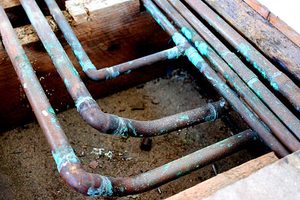
Pressure testing is another common traditional method used by plumbers to check for leaks. This involves closing off sections of the water system and monitoring the pressure. A drop in pressure indicates that there is a leak somewhere in the system. However, while pressure testing can confirm the presence of a leak, it does not indicate where the leak is located. Finding the source of the problem often requires further investigation, which can be invasive and time-consuming. Additionally, this method does not differentiate between minor and major leaks, making it less precise. - Listening Devices
Traditional listening devices, such as stethoscopes or rudimentary acoustic tools, are used by professionals to listen for the sound of water escaping from pipes. This method can be effective for detecting larger leaks or those occurring in accessible areas, but its accuracy depends heavily on the technician’s experience and skill. Smaller leaks or leaks located in noisy environments can be easily missed. Moreover, listening devices often require close proximity to the leak source, which can make detection difficult in buried or concealed plumbing systems.
Despite their usefulness in certain scenarios, traditional methods can be time-consuming, imprecise, and often require invasive inspections to locate the exact source of the leak. Modern water leak detection methods offer more advanced, non-invasive solutions.

Modern Water Leak Detection Methods
Modern leak detection technologies have greatly enhanced the ability to quickly and accurately locate leaks, even in the most difficult-to-access areas. These methods are highly efficient and minimise the need for destructive testing, making them a preferred option for both residential and commercial properties.
- Acoustic Leak Detection
Modern acoustic leak detection devices use highly sensitive microphones and sensors to detect the specific sound frequencies produced by water escaping from pipes. These devices are much more advanced than traditional listening tools, as they can identify even the faintest sounds of a leak, such as the subtle drip of water within a wall or beneath a concrete slab. Acoustic leak detection is non-invasive, as it allows technicians to pinpoint the leak without the need to cut into walls or floors. This method is particularly effective in detecting leaks in large or complex plumbing systems, as it can accurately locate the source of the problem without extensive manual inspections. - Infrared Thermography
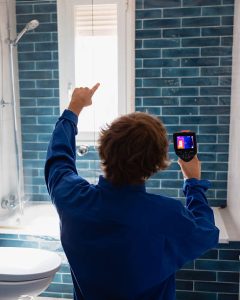
Infrared thermography uses heat-sensing cameras to detect temperature variations caused by moisture in walls, floors, or ceilings. This method is particularly useful for finding hidden leaks behind walls, under flooring, or in other concealed areas. Water absorbs and retains heat differently than the surrounding materials, creating temperature differences that the infrared camera can detect. This allows technicians to identify areas of moisture without having to physically access the area. Infrared thermography is highly effective for locating leaks before they cause visible damage, enabling homeowners to take action sooner and prevent costly repairs. - Ultrasonic Leak Detection
Ultrasonic leak detection involves the use of high-frequency sound waves to detect leaks in water pipes. By sending ultrasonic waves through the plumbing system, technicians can measure how these waves are reflected back and identify the precise location of any leaks. This method is particularly useful for detecting leaks in underground pipes or in large commercial systems where traditional methods would be impractical. Ultrasonic devices can detect even the smallest leaks that might otherwise go unnoticed, helping to prevent water loss and avoid costly water damage. - Smart Water Leak Detectors
Smart water leak detectors are increasingly being used in both residential and commercial properties as part of a comprehensive leak detection and prevention strategy. These devices are installed directly into the plumbing system and continuously monitor water usage. When unusual patterns in water flow are detected, such as continuous water flow when no taps are in use, the system alerts the property owner. Some smart systems can even automatically shut off the water supply to prevent further damage. Smart water leak detectors are particularly valuable in large properties or vacation homes, where leaks might go unnoticed for extended periods. - Tracer Gas Detection
Tracer gas detection is a highly effective method for detecting leaks in underground pipes or hard-to-reach areas. In this method, a non-toxic gas (usually hydrogen or nitrogen) is introduced into the plumbing system. If there is a leak, the gas will escape through the opening and rise to the surface, where it can be detected using specialised equipment. This method is particularly useful for detecting leaks in areas where traditional acoustic methods might be less effective, such as in highly pressurised or deep underground systems.
Why Modern Methods Are Superior
Modern water leak detection technologies offer several advantages over traditional methods:
- Pinpoint Accuracy: Unlike traditional methods, which often rely on manual inspections, modern techniques like acoustic and infrared detection provide pinpoint accuracy, identifying the exact location of the leak. This reduces the need for guesswork and unnecessary property damage, such as tearing up floors or breaking into walls.
- Non-invasive Techniques: Modern methods like infrared thermography and acoustic detection are non-invasive, meaning they can locate leaks without causing any disruption to your property. This is particularly valuable in commercial settings where downtime and disruptions can be costly.
- Time Efficiency: Modern leak detection methods are far quicker than traditional approaches. With smart sensors and automated systems, leaks can be detected in real-time, preventing further damage and reducing water waste. Early detection is key to mitigating costly repairs and preventing structural damage.
- Prevention & Monitoring: Smart leak detectors not only identify leaks but can also help prevent them. Many modern systems allow for continuous monitoring of water flow, alerting homeowners or property managers to potential issues before they become severe. This is particularly beneficial for businesses where water leaks could interrupt operations.
- Cost-Effective: While modern methods may have a higher initial cost, they save significant money in the long term by reducing labour costs, preventing major structural damage, and lowering water bills due to undetected leaks. These cost savings make modern water leak detection highly cost-effective.
Conclusion
Both traditional and modern methods of water leak detection have their merits, but the significant advancements in technology make modern solutions far superior in terms of accuracy, efficiency, and overall effectiveness. At our company in Perth, we specialise in offering cutting-edge water leak detection in Perth, using the latest technologies to identify and fix leaks quickly and with minimal disruption.
If you’re concerned about a potential water leak in your property, contact our team today for expert leak detection services. Don’t wait for visible damage – let us help you detect leaks early and save on costly repairs.