Perth properties experience a mix of older plumbing infrastructure, variable supply conditions, & modern high-demand appliances. When water pressure is inconsistent—or simply higher than the pipework was designed to tolerate—small defects can develop into hidden leaks behind walls, under slabs, or within ceilings. For households, strata managers, facility teams, & property investors, the risk is the same: pressure-driven wear often creates leaks that remain invisible until water bills rise, mould appears, or structural damage becomes apparent.
This article explains how pressure fluctuations, ageing pipes, & high-pressure stress points contribute to undetected leaks, & why leak detection Perth specialists are routinely called in after pressure-related plumbing failures. We also cover what to watch for & where leaks typically form, so we can act early—before damage escalates.
Why water pressure matters in Perth homes & commercial buildings
Water pressure is the force that moves water through pipework to taps, toilets, hot water systems, irrigation, & appliances. Pressure that is too low causes performance issues (weak showers, slow fills). Pressure that is too high, or unstable, increases mechanical stress on pipe joints, valves, flexi hoses, & appliance connections.
In practical terms, pressure problems don’t just affect comfort—they create conditions where leaks form quietly, then run unnoticed. That is why Leak detection Plumbers Perth are often engaged not only to locate leaks, but to identify pressure-related contributors such as faulty pressure limiting valves, failing isolation valves, or worn pipe sections that only leak when pressure spikes.
Pressure fluctuations: the hidden driver of intermittent leaks
Many property owners assume a leak is constant. In reality, pressure fluctuation can create intermittent leaks—the hardest type to catch because they appear & disappear depending on the time of day, appliance use, or changes in supply pressure.
How fluctuations create “on-off” leaking
A small crack, compromised joint, or weakened soldered connection may hold during normal flow. Then, a pressure surge occurs—often when a valve closes quickly or multiple fixtures are used at once—and the defect opens just enough to release water. The leak may stop again once pressure stabilises, leaving minimal visible signs while still wasting water over weeks or months.
Typical causes of fluctuation in properties
- Multiple fixtures operating simultaneously (showers, washing machine, irrigation)
- Rapid valve closure (toilet cistern valves, appliance solenoids)
- Ageing or incorrectly set pressure limiting valves
- Partially blocked filters or strainers creating uneven flow & pressure changes
- Mixed plumbing upgrades, where new fittings interact poorly with older pipe runs
Because intermittent leaks may not show during a basic visual inspection, leak detection Perth services often rely on targeted testing that replicates real operating conditions—confirming whether the leak occurs only under particular pressure loads.
Ageing pipes: why older plumbing fails under modern demand
Perth has many established suburbs with ageing pipework. As pipes age, internal corrosion, mineral build-up, joint fatigue, & material brittleness reduce their ability to tolerate pressure changes. Even if a system “worked fine for years,” material fatigue can reach a tipping point where normal pressure variation triggers failure.
Common ageing-related weaknesses
- Thinned pipe walls from corrosion (metal pipes)
- Brittle plastics that crack at stress points or fittings
- Degraded seals in older valves, connectors, & tap bodies
- Joint fatigue from repeated expansion/contraction & vibration
- Legacy repairs that create uneven pipe integrity (patched sections, mixed materials)
Ageing pipework doesn’t usually fail at the straight runs first. It fails at connections & transitions—exactly where pressure stress concentrates.
High-pressure stress points: where leaks start first
If we want to understand where hidden leaks are likely to form, we look for stress concentration zones—points where water pressure, vibration, heat, & movement combine. These are the locations where pressure issues translate into leaks.
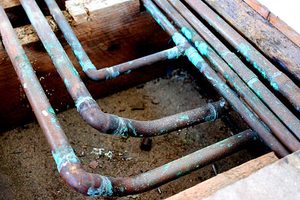
1) Joints, elbows, & tees
Changes in direction or pipe diameter create turbulence & pressure loading that stresses fittings. Over time, microscopic movement at these joints can compromise seals or soldered connections.
2) Isolation valves & fittings under fixtures
Valves under sinks, behind toilets, & at hot water connections are frequent failure points. They experience frequent operation, vibration, & pressure spikes when appliances cycle.
3) Flexible hoses (flexi connectors)
Flexi hoses are convenient but can be vulnerable to high pressure, water hammer, & material degradation. When they fail, the leak can be sudden—or it can begin as a fine weep that remains hidden inside cabinetry.
4) Hot water lines & temperature-affected sections
Hot water pipework expands & contracts more than cold lines. If pressure is high, thermal movement adds extra load to joints, creating slow leaks within wall cavities or ceiling voids.
5) Under-slab pipework
Leaks under slabs are often undetected because the water disperses into soil or sub-base material. High pressure can worsen tiny defects until they become persistent, leading to warm spots (hot water leaks), damp areas, or unexplained bill increases.
6) Pressure limiting valve (PLV) & backflow devices
When pressure control components fail or are incorrectly set, the entire system can be exposed to higher-than-intended pressure. That elevated baseline accelerates wear across every fitting in the property.
Water hammer: pressure shock that damages pipework over time
Water hammer occurs when flowing water is forced to stop or change direction suddenly, producing a pressure wave through the pipe. You may hear it as banging, thudding, or knocking when taps shut off or appliances stop filling.
This pressure shock can:
- loosen joints gradually
- degrade seals inside valves
- trigger intermittent leaks that only open during the shock event
- worsen pre-existing microcracks in older pipework
When water hammer is present, Leak detection Plumbers Perth often treat it as a root-cause risk factor—not just a noise issue—because it is a consistent driver of pressure-related failure.
Why these leaks often go undetected in Perth properties
Pressure-related leaks can be concealed for long periods because they don’t always produce obvious puddles. Instead, they show up as subtle indicators that are easy to dismiss.
Common “quiet” signs of a hidden leak
- Higher water bills without a usage change
- Water meter movement when no taps are running
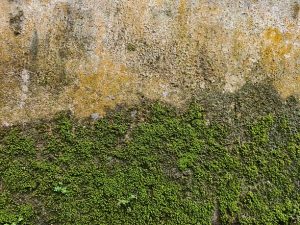
- Musty odours, mould spots, or persistent humidity
- Peeling paint, bubbling plaster, or swollen skirting boards
- Warm patches on floors (possible hot water leak)
- Damp carpet edges or unexplained staining
- Reduced pressure at certain fixtures (leak + restriction combination)
In strata or commercial sites, these signs may be attributed to ventilation or cleaning—delaying action while the leak continues.
The business risk: why early detection protects budgets & assets
Pressure-driven leaks are not just a plumbing inconvenience. They can create measurable business exposure for property owners, facility managers, & landlords.
Key impacts include:
- higher water consumption costs
- accelerated building material degradation (gyprock, timber, insulation)
- mould-related remediation costs & tenancy disruption
- damage to electrical systems within walls or ceilings
- claims complexity when the leak’s start date is unclear
- higher repair scope when small leaks become structural issues
This is why leak detection Perth is frequently positioned as an asset-protection service: locating the leak early reduces repair footprint & helps prevent avoidable secondary damage.

Where Perth pressure issues most commonly show up
While any property can experience pressure-related stress, certain scenarios are more likely to produce fluctuations or elevated loads:
- established suburbs with older pipework & multiple renovations
- properties with mixed plumbing materials (old + new sections)
- homes with high-demand fixtures (rain showers, multiple bathrooms)
- irrigation systems connected without appropriate pressure management
- buildings with long pipe runs, multi-storey distribution, or older valves
- sites with recurring “banging pipes” or appliance-related pressure surges
If these conditions apply, Leak detection Plumbers Perth typically recommend not only finding the current leak, but also assessing pressure control points so the same failure pattern doesn’t repeat.
Practical steps we can take to reduce pressure-driven leak risk
Without overcomplicating the approach, the goal is straightforward: stabilise pressure, reduce shock loads, & remove weak points before they fail.
High-value actions include:
- verifying pressure levels at key points in the property
- checking the condition & settings of pressure limiting components
- replacing degraded isolation valves & high-risk connectors
- addressing water hammer triggers (particularly fast-closing valves)
- monitoring meter movement to catch early leakage patterns
- scheduling targeted checks when pressure symptoms appear (noise, fluctuation, unexplained bill rises)
Where symptoms persist, engaging leak detection Perth specialists ensures the leak is located accurately, with minimal disruption, & with clear reporting on the most likely pressure-related cause.
Conclusion
In Perth, water pressure fluctuations, ageing pipework, & concentrated stress points form a common pathway to undetected leaks. These leaks can be intermittent, concealed, & slow-moving—making them easy to miss until bills rise or damage becomes visible. By understanding the pressure-leak relationship, we can respond earlier, reduce repair scope, & protect property value.
If we’re seeing pressure changes, water hammer, recurring valve failures, or unexplained water usage, it’s a strong indicator to involve Leak detection Plumbers Perth with experience in leak detection Perth investigations—so we identify both the leak location & the pressure-driven conditions that allowed it to develop.