Bathroom renovations are an excellent way to enhance the value and functionality of your home, but without proper precautions, leaks can become a costly aftermath. Ensuring leak prevention during renovations requires a focus on quality installations, advanced waterproofing techniques, and durable material selection. Here’s a comprehensive guide to help you safeguard your bathroom and avoid future water damage.
1. Prioritise Professional Water Leak Detection Before Renovations
Before starting any renovation, it’s essential to identify and address existing leaks. Professional services specialising in water leak detection in Perth can pinpoint hidden issues, such as faulty pipes or damaged seals, that could worsen with renovation work. This proactive approach helps prevent problems from compounding during or after the project.
2. Invest in High-Quality Waterproofing
Waterproofing is a critical element in leak prevention, especially in areas like showers, bathtubs, and around sinks. Ensure your contractor uses high-quality waterproofing membranes, sealants, and tapes to protect vulnerable areas. Proper waterproofing ensures water doesn’t seep into subfloors or walls, significantly reducing the risk of leaks.
- Apply waterproofing layers to walls and floors.
- Seal corners, joints, and edges with silicone or specialised sealants.
- Use a reputable waterproofing system designed to meet Australian standards.
3. Select Durable Materials
Choosing the right materials can make or break your bathroom’s long-term integrity. Invest in products that are water-resistant and durable:
- Tiles & Grout: Use non-porous tiles and epoxy grout to prevent water absorption and cracking.
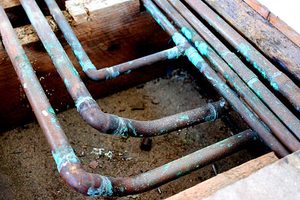
- Pipes & Fixtures: Opt for corrosion-resistant plumbing materials like copper or high-quality plastic pipes.
- Flooring: Waterproof vinyl or ceramic tiles are ideal for long-term performance in wet areas.
Proper installation of these materials is equally crucial to avoid gaps or weak points where water can escape. For peace of mind, you can engage a service specialising in water leak detection in Perth to assess the integrity of newly installed systems.
4. Ensure Proper Drainage Installation
Efficient drainage is fundamental in avoiding standing water, which can lead to leaks over time and even structural damage. During the planning phase of your renovation, consider the following:
- Drain Positioning: Place drains at the lowest points in the bathroom to facilitate natural water flow. This is particularly important in showers and wet rooms where water is more likely to pool.
- Slope Gradients: Australian standards recommend a slope gradient of at least 1:80 for bathroom floors to ensure water drains effectively without creating trip hazards.
- High-Quality Drainage Systems: Opt for durable, rust-proof materials for drains and grates. Linear drains are an increasingly popular choice for their modern look and efficiency in directing water flow.
- Ventilation Integration: Ensure proper ventilation around the drainage system to prevent odours and pressure build-up that could compromise the seals.
- Waterproof Barriers Around Drains: Apply waterproofing membranes tightly around all drainage outlets to prevent seepage.
A licensed plumber will help ensure all these elements are correctly installed and compliant with local building codes. If you’re unsure about the drainage system’s efficiency, consult professionals specialising in water leak detection in Perth to assess potential vulnerabilities.
5. Test the Waterproofing
Testing the waterproofing is a non-negotiable step that confirms the integrity of the water barrier and prevents costly issues down the line. Expand on the process with these additional steps:
- Flood Test: Fill the area, especially around shower bases and bathtub surrounds, with water to a specified level and leave it for at least 24 hours. Observe for leaks or changes in water levels that could indicate seepage.
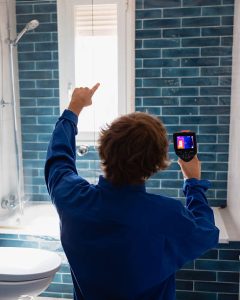
- Infrared Moisture Scanning: Advanced professionals can use infrared imaging to detect moisture behind walls or under floors, offering an accurate assessment of waterproofing success.
- Multiple Test Points: Test all critical areas, including corners, edges, and around pipe penetrations, as these are the most common spots for leaks.
- Corrective Action: If leaks are detected during the test, address them immediately. This may involve reapplying membranes, resealing joints, or replacing faulty materials.
For the most reliable results, enlisting experts in water leak detection in Perth ensures thorough testing and peace of mind before moving forward with tiling and finishes.

6. Use Skilled Professionals for Installation
Hiring experienced tradespeople is one of the best ways to avoid future problems. Skilled professionals bring industry knowledge, technical expertise, and compliance awareness to ensure the project is done right the first time. Here’s why they are indispensable:
- Plumbers: A qualified plumber ensures all pipes are securely connected, with no loose fittings or improper alignments that could lead to leaks. They can also advise on water pressure settings to reduce strain on pipes.
- Tilers: Proper tile installation involves aligning tiles perfectly and applying grout without leaving gaps that could allow water penetration. Professionals also ensure edges and corners are sealed to a high standard.
- Waterproofing Experts: These specialists understand which membranes and sealants work best in different areas of the bathroom. They also know how to handle complex designs, such as niches and curved walls, to prevent weak points.
- Project Coordination: Skilled tradespeople often work as a team, ensuring that plumbing, waterproofing, and tiling are seamlessly integrated without overlaps or missed steps.
7. Monitor for Post-Renovation Leaks
Vigilance after renovation can save you from significant repair costs. Here’s how to conduct effective monitoring:
- Early Warning Signs: Keep an eye out for bubbling paint, cracked tiles, damp odours, or persistent puddles, as these are early indicators of leaks.
- Periodic Moisture Checks: Use a moisture meter to test walls and floors in the bathroom, particularly around high-risk areas like showers, basins, and toilets.
- Regular Maintenance: Check seals and grouts every six months to ensure they remain intact. Over time, these materials can degrade, leading to water ingress.
- Engage Professionals for Inspections: After renovations, it’s wise to schedule periodic checks with specialists in water leak detection in Perth. Their expertise can identify issues invisible to the naked eye, such as slow leaks behind walls or under flooring.
Final Thoughts
Preventing bathroom leaks during renovations requires meticulous planning, quality materials, and expert craftsmanship. By addressing pre-existing issues, using durable products, and implementing robust waterproofing measures, you can enjoy a functional and leak-free bathroom for years to come.
For peace of mind during your renovation, consider professional water leak detection in Perth to ensure all systems are secure and your investment is protected.