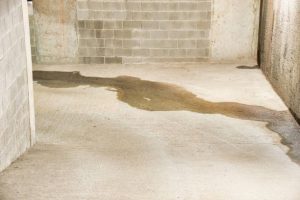
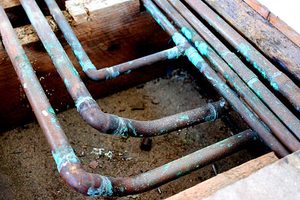
Water is a precious resource, and its conservation is critical, especially in regions like Perth, Western Australia, where climate conditions and growing populations place increasing demands on water supplies. Water leak detection in Perth has become a vital service to prevent water loss, reduce costs, and maintain the integrity of the city’s extensive water infrastructure. Traditional water leak detection methods can be invasive, time-consuming, and sometimes ineffective, prompting the need for innovative solutions. One such advanced method is the use of seismic techniques to detect water leaks. This article explores how seismic signals can indicate the presence of leaks, the benefits of this technology, and its application in Perth’s unique environment.
The Importance of Leak Detection in Perth
Perth’s water supply system comprises thousands of kilometers of pipelines, servicing residential, commercial, and industrial areas. The city’s arid climate and reliance on groundwater and desalination make water conservation a top priority. Undetected leaks can lead to:
- Significant Water Loss: Small leaks can waste thousands of liters of water over time.
- Infrastructure Damage: Leaks can erode soil, leading to sinkholes or pipe collapses.
- Financial Costs: Water loss translates to higher operational costs and increased utility bills for consumers.
- Environmental Impact: Wasted water strains natural resources and affects ecosystems.
Early detection and repair of leaks are essential to mitigate these issues, and seismic leak detection offers a promising solution.
Understanding Seismic Leak Detection
What Are Seismic Techniques?
Seismic techniques involve the use of specialized equipment to detect vibrations and acoustic signals generated by water escaping from pressurized pipes. These signals, often inaudible to the human ear, can be captured and analyzed to locate leaks with high precision.
How Do Seismic Signals Indicate Leaks?
When pressurized water escapes through a crack or hole in a pipe, it creates:
- Acoustic Waves: The turbulent flow generates sound waves that travel through the pipe material and surrounding soil.
- Vibrations: The mechanical energy causes the pipe and adjacent ground to vibrate.
- Frequency Patterns: Leaks produce characteristic frequency signatures that can be distinguished from background noise.
By deploying sensors that detect these signals, technicians can analyze the data to identify the presence and location of a leak.

The Seismic Leak Detection Process
Equipment Used
- Geophones: Ground vibration sensors that detect seismic waves traveling through the soil.
- Hydrophones: Sensors placed inside water pipes to detect acoustic signals in the water.
- Accelerometers: Measure the acceleration of vibrations on pipe surfaces.
- Data Loggers: Record sensor data for analysis.
- Signal Processing Software: Analyzes the collected data to identify leak signatures.
Steps in Seismic Leak Detection
- Preliminary Assessment: Identify areas with suspected leaks based on flow measurements, pressure drops, or customer reports.
- Sensor Deployment: Place sensors along the pipeline at calculated intervals.
- Data Collection: Collect vibration and acoustic data over a specified period.
- Signal Analysis: Use software to filter out ambient noise and enhance leak-related signals.
- Leak Localization: Apply techniques like cross-correlation to determine the exact location of the leak.
- Verification: Conduct physical inspections or use other methods like ground-penetrating radar for confirmation.
- Repair Planning: Develop a plan for accessing and repairing the leak with minimal disruption.
Advantages of Seismic Techniques in Perth
High Precision and Sensitivity
- Accurate Leak Localization: Can pinpoint leaks within a meter, reducing excavation areas and repair times.
- Detection of Small Leaks: Sensitive equipment can detect minor leaks before they become major problems.
Non-Invasive Method
- Minimal Disruption: No need for extensive digging or intrusive inspections, preserving landscapes and reducing traffic disruptions.
- Suitable for Various Terrains: Effective in urban, suburban, and rural settings, adapting to Perth’s diverse environments.
Cost-Effective
- Reduced Water Loss: Early detection prevents prolonged water wastage.
- Lower Repair Costs: Targeted repairs are less expensive than addressing major failures.
- Extended Infrastructure Life: Preventing leaks reduces stress on pipes, extending their service life.
Environmental Benefits
- Water Conservation: Aligns with Perth’s sustainability goals by preserving water resources.
- Reduced Energy Use: Less water treatment and pumping required due to minimized losses.
Challenges and Solutions
Background Noise Interference
Challenge: Urban environments produce noise from traffic, construction, and other activities that can mask leak signals.
Solution:
- Advanced Signal Processing: Use algorithms to filter out non-leak-related frequencies.
- Time-Based Surveys: Conduct surveys during quieter periods, such as nighttime.
- Sensor Calibration: Adjust sensor sensitivity to focus on leak-specific signals.
Soil and Ground Conditions
Challenge: Perth’s sandy soils and varying moisture levels can affect signal propagation.
Solution:
- Customized Sensor Placement: Adapt sensor spacing and depth based on soil properties.
- Data Interpretation Expertise: Employ experienced analysts familiar with local geology.
Equipment Costs and Expertise
Challenge: High-quality seismic equipment and trained personnel represent an investment.
Solution:
- Cost-Benefit Analysis: The long-term savings from water conservation and reduced repairs justify the initial investment.
- Training Programs: Develop local expertise through training and partnerships with technology providers.
Case Studies and Applications in Perth
Residential Areas
In suburban neighborhoods, seismic techniques have been used to detect leaks in aging water mains. Early detection prevented road collapses and water supply interruptions.
Industrial Zones
In areas with critical infrastructure, such as hospitals and manufacturing plants, seismic leak detection ensured a reliable water supply by identifying leaks before they caused significant damage.
Regional Water Networks
For extended pipeline networks supplying outlying communities, seismic methods have been employed to monitor pipeline integrity over long distances.
Integration with Other Technologies
IoT and Remote Monitoring
- Real-Time Data Transmission: Sensors equipped with IoT capabilities send data to central monitoring stations.
- Automated Alerts: Immediate notifications when leak signatures are detected.
- Data Analytics: Integration with big data platforms for trend analysis and predictive maintenance.
Machine Learning and AI
- Enhanced Signal Analysis: Machine learning algorithms improve the identification of leak patterns over time.
- Adaptive Systems: AI systems adjust detection parameters based on environmental changes.
Future Prospects for Perth
Expanding Adoption
As awareness of the benefits grows, more water utilities and private companies in Perth are expected to adopt seismic leak detection.
Research and Development
Local universities and research institutions may collaborate on improving seismic techniques, tailoring them to Perth’s specific needs.
Policy and Regulation
Government support through policies and funding can accelerate the implementation of advanced leak detection methods, contributing to broader water conservation efforts.
Environmental and Economic Impact
Water Resource Management
Seismic leak detection supports sustainable water management by reducing unnecessary extraction from natural sources and lowering the demand on water treatment facilities.
Economic Benefits
- Reduced Operational Costs: Savings from decreased water loss and maintenance expenses.
- Job Creation: Opportunities in technology, engineering, and data analysis sectors.
Social Responsibility
By conserving water and preventing infrastructure failures, utilities demonstrate a commitment to community well-being and environmental stewardship.
Conclusion
Seismic techniques represent a significant advancement in water leak detection in Perth, offering a sophisticated, non-invasive, and highly effective method for identifying and locating leaks. By embracing this technology, Perth can address the challenges of water conservation, infrastructure maintenance, and sustainable growth. The integration of seismic leak detection aligns with the city’s vision for a resilient and efficient water supply system, ensuring that resources are preserved for future generations.