Water damage is the most frequent & costly risk in Perth strata schemes. Local utility reports, council updates, & insurer claim summaries point to a consistent pattern: frequent internal water leaks, rising wastewater blockages, & ageing building services driving both incident counts & claim totals. This article consolidates those signals into practical guidance for strata councils, building managers, & owners.
The local picture: what recent data signals
- Incidents skew to internals: Most events originate from fixtures & internal pipework rather than storms.
- Background leakage is common: Smart-meter checks frequently reveal continuous overnight flow indicative of hidden leaks.
- Wastewater blockages are preventable: Fats, oils & grease (FOG) plus unsuitable flushed items remain the dominant drivers.
- Ageing stock elevates risk: Older risers, flexi hoses, hot water units & membranes show higher failure rates.
- Premium pressure tracks claims: Complexes with repeated water losses face higher excesses & tighter underwriting.
Root causes in multi-unit buildings
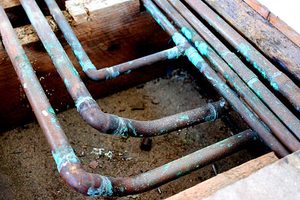
- Component age & fatigue: Braided hoses, tempering valves, HWS, & original copper/galvanised lines reach end-of-life across many lots simultaneously.
- Shared infrastructure: Failures in common stacks, main risers, roof membranes & box gutters impact multiple apartments.
- Maintenance deferral: Postponed membrane renewal, infrequent roof inspections, & ad-hoc plumbing repairs increase recurrence.
- Behavioural factors: FOG disposal & “flushable” products escalate blockage frequency in vertical stacks.
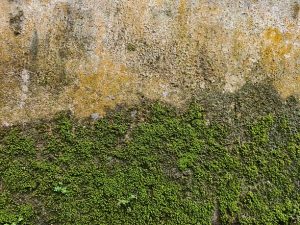
- Undetected seepage: Slow leaks behind tiles & linings cause mould, swollen joinery, & ceiling failures.
Claim patterns & cost implications
- Frequency > severity: A high volume of small internal events drives most of the annual cost base.
- Resultant damage dominates: Flooring, ceilings, cabinetry & common-area finishes account for the bulk of reinstatement.
- Access & make-safe add up: After-hours callouts, isolations & moisture remediation materially affect totals.
- Renewal outcomes: Documented controls can improve terms, while claim-heavy histories invite excess/loadings.
High-risk components checklist
- Flexible braided hoses at sinks, basins, dishwashers & washing machines
- Shower assemblies, screens, trays & membranes
- Roof membranes, box gutters, balcony thresholds & penetrations
- Hot water systems, tempering valves & pressure-limiting valves
- Common stacks & branch drains (including tree-root & FOG exposure)
Early-warning indicators to monitor
- Unexplained night-time flow on common meters
- Repeated mould or musty odours in stacked wet areas
- Stained plasterboard, swollen skirtings, lifting vinyl or cupped boards
- Slow-draining fixtures on multiple levels within a single stack
- Overflow events in bins/waste rooms after weekends or holidays

Prevention strategy: low-friction controls that work
Inspection & cadence
- Six-monthly roof/gutter inspections with photo logs before winter & after major rain
- Annual apartment checks for hoses, valves, caulking, shower membranes & shut-off awareness
- Moisture mapping/borescope for suspected concealed leaks; escalate only on evidence
Plumbing & monitoring
- Isolation valves per dwelling & per high-risk fixture to limit incident scope
- Smart meters/auto-shutoff on common services with alerts for abnormal baselines
- Stack maintenance programme (descales/jetting) in blocks with FOG history
Lifecycle planning
- Planned renewal of end-of-life HWS, tempering valves & flexi hoses
- Membrane condition assessments by age/stack line, not just façade exposure
- Standardised specifications for hoses, waterproofing & isolation across refurbishments
Data-led prioritisation: where to act first
- Repeat-loss apartments: Target membranes, hoses & valve sets; educate occupants on shut-offs.
- Known stack hot spots: Increase cleaning frequency & implement behaviour change on FOG disposal.
- Top-floor & weather-exposed zones: Audit roof membranes, flashings & penetrations pre-winter.
- Abnormal meter profiles: Run leak campaigns per riser based on analytics.
Governance & insurance alignment
- 5-year water-risk plan covering membranes, pipework, HWS & valves
- Live defect register mapping cause, location, response time & cost
- Make-safe SLAs (e.g., contact within 30–60 minutes; isolation protocols; drying targets)
- Evidence pack for renewals: inspection logs, photos, meter analytics, corrective actions
When to engage specialists
For intermittent cross-lot leaks, suspected pinholes in risers, balcony/roof ingress, or recurring stack events, engage a licenced contractor with non-destructive testing capability in Strata water leak detection Perth to shorten investigation times & reduce reinstatement scope.
Procurement checklist (for managers & councils)
- 24/7 response & make-safe
- Non-destructive testing (thermal/ultrasonic/moisture) & clear reporting
- Meter analytics & alert configuration
- Root-cause remediation plan, not just clean-up
- Insurer/broker-ready documentation
Conclusion
Perth strata schemes face a consistent pattern of water risk: frequent internal leaks, avoidable wastewater blockages, & age-related failures in shared infrastructure. The most effective response is proactive & documented—tight inspection cadences, planned renewals of known weak points, smart metering with alerts, & behaviour change for FOG disposal. Pair these controls with a live defect register, firm make-safe SLAs, & insurer-ready evidence to reduce frequency, limit damage scope, & support better renewal outcomes. If your scheme needs rapid triage or a risk-reduction plan, we can scope, prioritise & implement the controls that deliver measurable reductions in incidents—supported by vendor-neutral reporting suitable for water leak detection Perth tenders & insurer reviews.