For commercial property owners, facility managers, strata representatives, and business operators in Perth, a rising water bill is rarely something to brush off. When water use climbs without an obvious reason, there is usually a cause somewhere in the system. In many cases, that cause is a hidden leak.
Unlike a visible burst pipe, commercial leaks often develop quietly. They can sit under concrete slabs, beneath car parks, along underground supply lines, behind walls, or inside plant and service areas where no one is looking closely every day. By the time the bill arrives, the property may already be losing water around the clock.
At Wizard Leak Detection, we regularly investigate unexplained water loss across Perth properties where the first serious warning sign is not flooding — it is cost. A commercial water bill spike can be the earliest signal that something needs urgent attention.
Why commercial water bill spikes deserve fast investigation
Commercial properties use water differently from residential homes. Usage can vary with operating hours, tenancy changes, cleaning schedules, cooling systems, amenities, irrigation, or food service operations. That sometimes leads owners to assume a large bill is just a busy month.
The problem is that hidden leaks also hide inside that normal complexity. A leak may continue overnight, over weekends, or in vacant parts of a building when no one is present to notice it. Even a moderate leak can waste a substantial amount of water when it runs continuously.
If your bill rises sharply and there is no clear operational explanation, it is worth treating the issue as a possible leak until proven otherwise. Water has a habit of charging rent when nobody invited it.
Common hidden leak locations in Perth commercial properties
In commercial settings, leaks are often found in places that are difficult to inspect without specialist equipment. These may include:
- underground water supply lines between the meter and the building
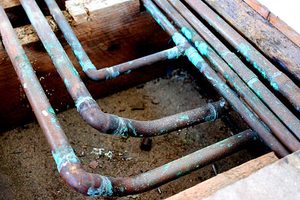
- pipework beneath concrete slabs
- fire service or shared service areas in strata and mixed-use buildings
- toilet and bathroom supply lines behind walls
- kitchen, staff room, or amenities pipework
- irrigation lines around landscaping and car park edges
- vacant tenancies where leaks can continue unnoticed for long periods
Perth commercial properties can be especially vulnerable where pipework runs through large sites, older building stock, reactive ground conditions, or areas with limited access. A leak does not need to be dramatic to become expensive.
Warning signs that the water bill spike is probably more than normal usage
There are several practical signs that point toward hidden water loss rather than ordinary consumption.
1. The bill rises without a matching change in operations
If staffing, trading hours, occupancy, irrigation schedules, and equipment use have not changed much, a sudden jump in water charges should be investigated.
2. Water use remains high after hours
If meter readings keep moving when the premises are closed, water may be escaping somewhere in the system. After-hours water movement is one of the more useful clues in commercial leak matters.
3. Damp patches or unexplained moisture appear
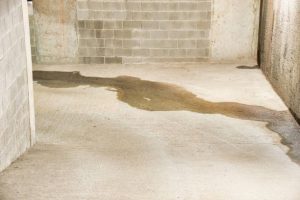
Moist carpet, lifting vinyl, stained skirting, bubbling paint, persistent damp odours, or wet external ground can all indicate a hidden leak nearby.
4. There is a drop in water pressure or inconsistent supply
A concealed leak can reduce pressure to taps, amenities, or service areas, particularly when the leak is on a supply line.
5. You hear water when nothing should be running
Hissing, trickling, or movement in pipework during quiet periods may suggest a leak behind walls, under floors, or below slab level.
6. Tenants or staff report recurring moisture issues
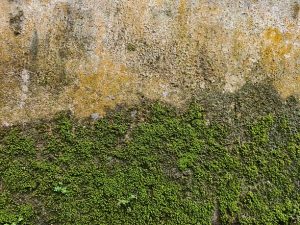
Repeated complaints about mould, damp smells, wet walls, or unexplained puddling should not be treated as isolated housekeeping issues until leaks have been ruled out.
What causes hidden commercial leaks?
There is no single cause. In Perth commercial properties, hidden leaks commonly result from:
- ageing or corroded pipework
- ground movement affecting buried services
- pressure-related stress on water lines
- poor historical repairs or joins
- damage during construction, landscaping, or other site works
- wear in high-use amenities and service zones
In strata and multi-tenant buildings, responsibility can also become blurred. A higher bill may be visible long before the exact leak location or affected lot is obvious. That is one reason early specialist testing matters.
The business risks of waiting too long
An unexplained bill increase is not only a utility issue. Hidden leaks can create broader commercial problems if they are left unresolved.
- Ongoing water loss and rising costs: the financial impact compounds while the leak remains active.
- Damage to finishes and building materials: moisture can affect walls, flooring, ceilings, cabinetry, and adjoining tenancies.
- Subfloor or slab-related deterioration: long-term moisture below the building can create more serious repair requirements.
- Mould and hygiene concerns: damp internal areas can become a workplace and tenancy issue.
- Operational disruption: businesses may need to restrict access, coordinate repairs, or manage complaints from occupants.
- Insurance and reporting complications: delayed action can make timelines, damage assessment, and claim support more difficult.
When to call a leak detection specialist
You should call a leak detection specialist when the water bill rises and you cannot confidently explain the increase, especially if there are any supporting signs such as damp areas, pressure changes, after-hours meter movement, or suspected underground or slab leaks.
This is particularly important for:
- commercial buildings with shared services or multiple tenancies
- strata sites where the leak source is unclear
- properties with underground pipe runs under paving, landscaping, or driveways
- sites where destructive trial-and-error would be costly or disruptive
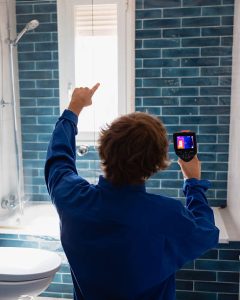
Specialist leak detection is designed to locate the issue as accurately as possible before unnecessary excavation, wall removal, or slab breaking begins. That can save time, reduce disruption, and help the repair phase start on firmer footing.
What to do before the inspection
If possible, gather the recent water bills, note when the increase began, and record any patterns such as meter movement outside business hours, recurring damp areas, or complaints from tenants or staff. If the property has multiple zones or occupancies, note which areas seem affected. That background can help speed up diagnosis.
Do not ignore the issue simply because no major flooding is visible. Hidden leaks often stay deceptively quiet until the damage or cost becomes harder to contain.
Practical next step for Perth property owners and managers
If your commercial water bill has risen without a clear reason, treat it as an early warning sign. The sooner the leak is investigated, the better your chances of limiting water waste, property damage, tenant disruption, and repair costs.
Wizard Leak Detection helps Perth property owners, managers, strata representatives, and businesses identify hidden leaks in commercial buildings, underground services, and hard-to-access areas. If you are dealing with an unexplained water bill spike or signs of concealed water loss, contact Wizard Leak Detection to arrange specialist leak detection and get clarity on what is actually happening before the problem grows.
If you want to move quickly, visit Leak Detection Perth, use the contact page, or call 0447 831 506 to arrange an inspection.