When a strata water account jumps without an obvious explanation, the problem is not always administrative. In many Perth strata properties, a sudden water bill spike is one of the earliest signs of a hidden leak. The leak may be underground, beneath a slab, inside a wall cavity, in a plant room, or on a shared supply line that no one sees day to day.
That is what makes these situations expensive. By the time the invoice arrives, water may already have been escaping for weeks. In a strata setting, delays also tend to create confusion about where the leak is, who is responsible, and how far the damage may have spread.
For owners, strata managers, and councils of owners, the priority is not guesswork. It is fast, accurate leak detection that helps narrow down the source before water loss, property damage, and resident frustration get worse.
Why water bill spikes matter in strata properties
In a single home, a higher bill usually affects one household. In a strata complex, the impact is broader. A hidden leak can affect shared costs, common property, multiple lots, insurance discussions, and maintenance planning all at once.
Perth strata sites can be especially vulnerable when pipework runs under driveways, garden beds, suspended slabs, car parks, service corridors, meter banks, or ageing common infrastructure. A leak in one of these areas may not show itself immediately on the surface, but it can still waste a significant volume of water.
If the increase is sharp, repeated, or difficult to explain through seasonal use alone, it deserves proper investigation.
Common warning signs that the bill spike may be leak-related
A high account is often the trigger, but it is rarely the only clue. Other warning signs may include:
- Persistent damp patches in common areas, gardens, paths, or driveway edges
- Water meter movement when normal usage should be low
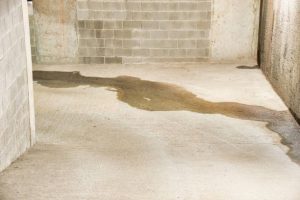
- Unexplained pooling near boundary lines, bin areas, or irrigation zones
- Staining, bubbling paint, or moisture marks in shared walls or ceilings
- A drop in water pressure reported by occupants
- The sound of running water when fixtures are off
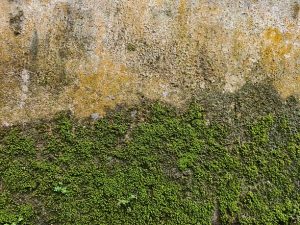
- Mouldy smells in hallways, basements, storage areas, or service rooms
In some cases, there are almost no visible symptoms at all. Underground leaks and concealed pipe faults can continue quietly until the cost becomes obvious on the bill or the damage becomes obvious in the building.
Where hidden leaks often occur in Perth strata complexes
Leak location depends on the age, layout, and plumbing design of the property, but several areas come up regularly in strata investigations:
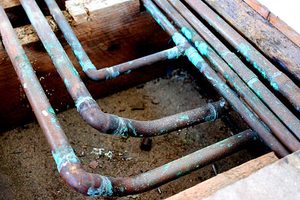
- Underground common supply lines beneath paving, lawns, accessways, or car parks
- Slab leaks below internal floors or shared building sections
- Riser and wall cavity pipework serving multiple units
- Irrigation or external services that are overlooked because they are not inside the living areas
- Plant and service areas where valves, connections, and older fittings can fail gradually
Older strata developments in Perth can be more exposed because materials, previous repairs, and access limitations make faults harder to identify. Newer sites are not immune either. Even relatively modern developments can experience movement, installation defects, or concealed failures that are not visible without specialist testing.
Why guessing is risky
When the bill rises, there is a temptation to start with assumptions: irrigation must have been left on, a resident must be using more water, or the issue can wait until the next maintenance cycle. Sometimes that is true. Often it is not.
The risk with delay is that a hidden leak keeps running in the background while the building absorbs the consequences. What begins as a billing issue can turn into:
- Higher ongoing water costs across the scheme
- Damage to flooring, walls, ceilings, or landscaping
- Subsurface washout near paving or structural elements
- Mould, odour, and hygiene issues in shared areas
- Tension between owners, tenants, and management over responsibility
- More invasive repair work because the source was not identified early
Leak detection is most useful before broad excavation or demolition starts. If the source can be narrowed down accurately, the repair path is usually faster, cleaner, and easier to manage.
What a leak detection specialist can help determine
In a strata scenario, the question is not simply “Is there a leak?” It is also “Where is it likely coming from, and what area should be opened first?”
A leak detection specialist can help investigate unexplained water loss using non-invasive or minimally invasive methods suited to the property type. Depending on the situation, that may involve acoustic listening, pressure testing, thermal imaging, moisture investigation, tracer methods, or targeted inspection of concealed services. For details on our approach to strata properties, visit the Strata Leak Detection Perth page.
The goal is to give the strata manager or property representative a clearer technical starting point. That can help with repair coordination, communication with contractors, and decisions about whether the likely issue sits in common property infrastructure or within a more isolated section of pipework.
When to call a leak detection specialist
It is sensible to arrange specialist testing when:
- The water bill has risen suddenly without a clear usage explanation
- The increase has happened across more than one billing cycle
- There are damp, staining, pressure, or odour complaints from residents
- You suspect an underground, slab, or concealed leak
- The property has already had repeated plumbing repairs but the water loss continues
- You need better evidence before authorising invasive works
If the leak may be affecting electrical areas, causing active flooding, or creating immediate safety concerns, urgent action is appropriate. Quiet leaks can still do serious damage, but active risk should not be left to chance.
Practical next steps for strata managers and councils of owners
- Review the billing pattern. Confirm whether the spike is a one-off anomaly or part of a trend.
- Check for obvious usage changes. Rule out known maintenance works, vacant-to-occupied changes, or irrigation schedule changes.
- Look for supporting signs onsite. Damp ground, staining, noise, or complaints matter.
- Record what has been observed. Dates, photos, and meter behaviour can be helpful.
- Bring in a leak detection specialist early. Early diagnosis usually reduces wasted time and unnecessary exploratory work.
Need help investigating a strata water leak in Perth?
Wizard Leak Detection works with Perth property owners and strata stakeholders to locate hidden leaks with a practical, specialist approach. If your strata property has a sudden water bill spike, unexplained water loss, or signs of a concealed leak, arranging early testing can help you act before the issue becomes more disruptive and expensive.
For strata-specific support, visit Strata Leak Detection Perth, use the contact page, or call 0447 831 506 to arrange an inspection.