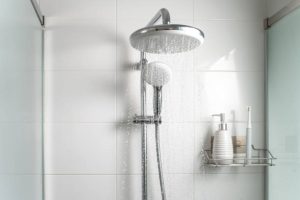
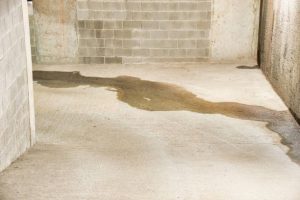
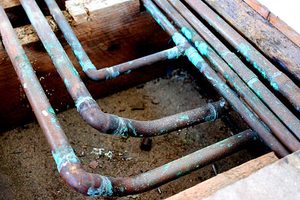
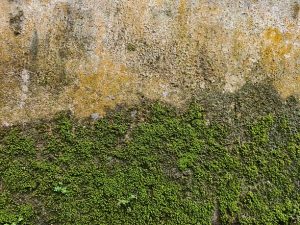
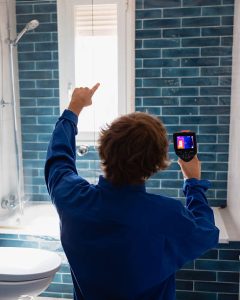
A leaking shower does not always mean a damaged or burst pipe. In many Perth homes, water damage around bathrooms can be caused by failed waterproofing, deteriorated grout, cracked shower trays or ageing seals rather than a plumbing fault behind the wall.
Understanding where the water is escaping from is important before repairs begin. Professional Plumbing Leak detection services Perth can help determine whether the source is a pipe, fitting, waterproofing system or another part of the shower enclosure.
Why Shower Leaks Can Be Difficult to Identify
Bathrooms are exposed to water every day, which means moisture can enter building materials through several different points.
Signs of a shower leak may include:
- Damp or stained walls near the bathroom
- Peeling paint or bubbling plaster
- Swollen skirting boards
- Mould around adjoining walls
- Loose or lifting floor coverings
- Damp smells
- Water marks on ceilings below an upstairs bathroom
These symptoms may appear some distance from the actual source because water can travel beneath tiles, through wall cavities or along structural materials.
Accurate leak detection Perth services can help narrow down the source before unnecessary plumbing or building work is carried out.
Failed Waterproofing Membranes
Waterproofing membranes are installed beneath bathroom tiles to prevent moisture from entering walls, floors & surrounding structural materials.
Over time, membranes can deteriorate or become damaged. Problems may also develop if the original waterproofing installation contains gaps, poor joins or inadequate coverage.
A failed membrane can allow water to move beneath tiles even when the shower plumbing itself remains intact.
Common warning signs include recurring dampness around the shower perimeter, moisture appearing on the opposite side of a bathroom wall or water damage to rooms below the bathroom.
Because the membrane is hidden beneath tiles, identifying this problem usually requires careful investigation rather than visual inspection alone.
Grout Failure Between Tiles
Grout helps fill the joints between tiles, but it is not designed to act as the primary waterproofing barrier.
Cracked, missing or deteriorated grout can allow more water to reach the waterproofing layer below. If the membrane is already damaged, this can contribute to ongoing moisture problems.
Grout deterioration may result from:
- Building movement
- Age
- Repeated cleaning
- Moisture exposure
- Poor initial installation
Small cracks can sometimes appear insignificant but may provide repeated pathways for water during daily shower use.
Cracked Shower Trays
Shower trays can develop cracks through age, impact, movement or inadequate support beneath the tray.
Some cracks are easy to see, while others may only open slightly when weight is placed on the shower base.
Water entering through a cracked tray can spread beneath the bathroom floor or into nearby wall cavities. This can create symptoms similar to a leaking waste pipe or damaged water supply line.
Testing the shower tray separately from the plumbing system can help determine whether the tray itself is contributing to the moisture problem.
Seal Breakdown Around Shower Screens & Fixtures
Flexible sealants are commonly used around shower screens, wall joints, bath edges & other areas where different materials meet.
These seals can shrink, split or separate over time.
Common problem areas include:
- Shower screen frames
- Corners between tiled walls
- Junctions between the shower tray & wall
- Tap penetrations
- Shower outlets
- Door tracks
Even a small gap can allow water to escape repeatedly during shower use.
Replacing deteriorated sealant may resolve some leaks, but recurring moisture should still be investigated because failed seals can sometimes exist alongside deeper waterproofing problems.
Leaks Around Tapware & Wall Penetrations
Water can also enter around openings where taps, mixers, shower arms & other fittings pass through tiled surfaces.
If these penetrations are not properly sealed, shower water may move behind wall finishes without any failure in the pressurised plumbing system.
This type of water entry can be difficult to distinguish from a concealed pipe leak without targeted testing.

Why Identifying the Correct Source Matters
Treating every bathroom moisture problem as a leaking pipe can lead to unnecessary repairs.
Opening walls or replacing plumbing will not solve a failed waterproofing membrane, damaged tray or deteriorated shower seal.
Similarly, regrouting tiles will not correct an active plumbing leak concealed behind the wall.
Professional Plumbing Leak detection services Perth can help separate plumbing faults from waterproofing or building-related issues so the appropriate repair can be planned.
How Shower Leaks Are Assessed
The investigation may involve checking when moisture appears, where it spreads & which parts of the shower are being used when the leak develops.
Testing different components individually can help distinguish between:
- Water supply leaks
- Waste pipe leaks
- Shower tray failure
- Waterproofing defects
- Sealant failure
- Water entering around fixtures
This targeted approach reduces the risk of repairing the wrong component.
Do Not Ignore Repeated Bathroom Moisture
A slow shower leak can continue for months before significant damage becomes visible.
Persistent moisture may affect plasterboard, timber, cabinetry, flooring & adjoining rooms. It can also create conditions that support mould growth.
Early leak detection Perth can help identify the source before moisture spreads further through the property.
Arrange an Assessment for a Suspected Shower Leak
If water is appearing around your shower, adjoining walls or rooms below the bathroom, the problem may not be the pipework.
Waterproofing membranes, grout, shower trays, sealant & fixture penetrations can all contribute to shower leaks.
Identifying the actual source first allows property owners to organise the correct plumbing, waterproofing or building repair instead of relying on guesswork.