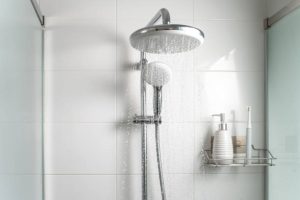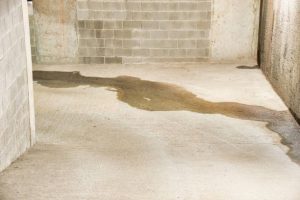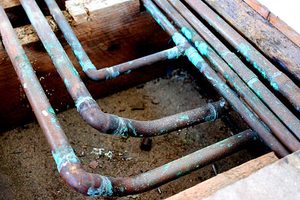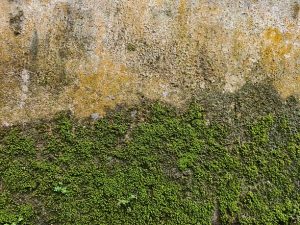
Bathrooms are prone to humidity, making them a natural breeding ground for mould. However, in some cases, mould and other signs of water damage might indicate a water leak rather than standard moisture from everyday bathroom use. This guide will help you understand how to distinguish between humidity-related mould and water damage due to leaks, helping you protect your bathroom from serious structural issues. If you’re in Perth, this knowledge can also guide you on when to seek water leak detection Perth services for prompt, professional intervention.
Recognising the Root Cause: Humidity vs Water Leak
Understanding whether your bathroom mould is caused by routine humidity or a hidden leak is essential for effective remediation. Mould from humidity is generally superficial, while mould from a water leak often signals deeper damage that needs immediate attention.
1. Humidity-Related Mould
Bathrooms naturally trap moisture due to frequent showering, bathing, and inadequate ventilation. This makes mould growth, especially on surfaces like tiles, grout, and ceilings, fairly common. If the mould forms gradually on walls or around the shower area, it’s likely related to ambient moisture.
- Characteristics: Small black or green spots appearing on the ceiling, tile grout, or around windows.
- Location: Typically found on surfaces exposed to high humidity but less likely to be structural, such as walls, ceilings, or bathroom fixtures.
- Appearance Timing: Appears slowly over time, especially if ventilation is poor.
Tip: Improving bathroom ventilation with an exhaust fan or regularly airing out the room can often prevent or reduce humidity-related mould.
2. Water Leak Mould
When mould is caused by a water leak, it’s often accompanied by other signs of water damage and may grow at a faster rate. A leak, whether from pipes behind walls or a shower recess, can trap moisture in areas that remain damp, fostering mould growth and potentially causing structural damage.
- Characteristics: Patchy or spread-out mould clusters that may recur despite cleaning. It’s often more intense, with an earthy or musty odour.
- Location: Mould around the base of the shower, below sinks, or along walls shared with plumbing lines. Sometimes, water leak-related mould appears on walls or ceilings adjacent to bathroom plumbing.
- Appearance Timing: Fast-growing and recurrent, indicating constant dampness.
Tip: In cases where mould reappears shortly after cleaning, consider scheduling a water leak detection Perth professional to assess hidden issues.

Identifying Water Damage: Telltale Signs Beyond Mould
Water damage doesn’t always present as visible mould. Various signs can indicate a water leak that, if overlooked, could lead to extensive damage.
1. Water Stains and Discolouration
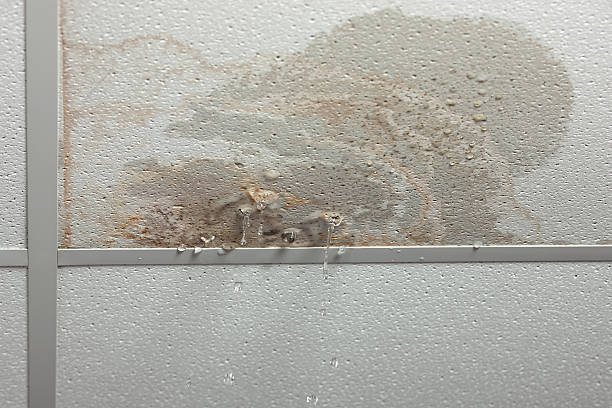
- Description: Yellow or brown patches on ceilings, walls, or floors are common signs of water leaks. Discolouration often occurs due to prolonged exposure to moisture and indicates a leak rather than typical humidity.
- What to Look For: Check around pipes, behind the toilet, under the sink, and areas with visible wall discolouration.
2. Peeling Paint or Wallpaper
- Description: Water leaks cause walls to absorb moisture, making paint or wallpaper bubble, peel, or warp.
- What to Look For: Wall or ceiling areas with peeling paint or wallpaper, particularly in corners or around fixtures, may indicate a hidden leak.
3. Warped or Softened Flooring
- Description: Flooring around bathtubs, showers, or toilets may start to buckle, become soft, or feel uneven.
- What to Look For: Bathroom floors that have soft spots or feel spongy underfoot could be retaining water due to a hidden leak.
4. Persistent Musty Smell
- Description: While a damp smell is expected in bathrooms, a persistent musty odour could signal hidden water damage.
- What to Look For: A musty odour that lingers even after airing out the bathroom may indicate dampness behind walls or under floors.
How to Identify Water Damage Accurately
Accurate identification of water damage is crucial to prevent costly repairs. Here are some practical steps for spotting and addressing water-related issues:
1. Perform a Visual Inspection
- Inspect areas around pipes, under sinks, and around the base of the toilet.
- Check for unusual spots or discolouration, even if they seem minor.
2. Use a Moisture Meter
- Moisture meters are useful for detecting excess moisture behind walls and floors.
- They provide an objective measure, helping you determine if water is trapped in structural areas.
3. Watch for a Spike in Your Water Bill
- An unusually high water bill can indicate a hidden leak.
- If you notice an unexpected increase in water consumption, it may be worth investigating potential leaks.
4. Contact a Water Leak Detection Specialist
- For any suspected hidden leak, contacting a water leak detection Perth expert is a smart move.
- Professionals have specialised equipment to identify leaks behind walls or under flooring, ensuring accurate detection and minimising damage.
When to Call a Professional
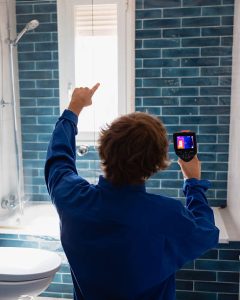
If you observe recurring mould, persistent water stains, or soft spots in your bathroom flooring, it’s time to call in a professional. Attempting to treat mould and water damage without addressing the underlying leak can lead to worsening conditions. A qualified water leak detection Perth service will employ non-invasive tools like thermal imaging and acoustic sensors to locate hidden leaks accurately, reducing unnecessary damage to your bathroom surfaces.
Final Thoughts
Understanding the difference between humidity-related mould and water damage from leaks can save time, money, and future hassle. By knowing the signs of hidden leaks and how to respond, you can prevent serious structural damage and maintain a healthier bathroom environment. For Perth residents, prompt water leak detection can be a straightforward way to protect your property from unseen damage.